Gautam Buddha Nagar
08043694671
+917683079320

Items tagged with 'thermally efficient joints'

6814772a5d263414004dd4a4 Card 2

product image
Cold Room And Clean Room

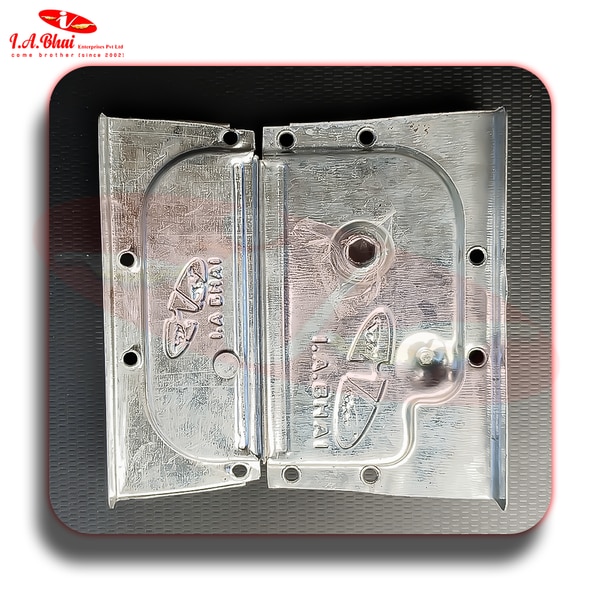
When using metal camlocks and GI (Galvanized Iron) sheets with PUF panels, you're typically working with a robust setup for insulated enclosures like cold rooms or industrial partitions 1. Metal Camlock for PUF Panels: Camlock System: A mechanical locking system used to connect PUF panels tightly. Usually made from galvanized steel or stainless steel for durability. Ensures airtight and thermally efficient joints between panels. Camlocks are embedded inside the panel during manufacturing. Advantages: Quick assembly/disassembly Strong interlocking — improves structural integrity Reduces thermal bridging and air leakage 2. GI (Galvanized Iron) Material for PUF Panels: GI Sheet Properties: Steel sheets coated with zinc to prevent rusting. Common thickness: 0.8 mm (varies based on application). Surface finish: Plain, pre-painted (PPGI), or plastisol coated. Where GI Is Used: Acts as the outer skin on both sides of the PUF panel. Used for both interior and exterior-facing panels. Suitable for industrial use, warehouses, and general-purpose insulation. PUF Panel Construction (with GI & Camlock) Common Applications: Cold storage rooms Cleanrooms Prefabricated buildings Telecom shelters Industrial warehouses

6814772a5d263414004dd4a4 Card 2

product image
Water Cooler

A plastic bend in a water cooler is a curved pipe or fitting made of durable plastic, used to direct water flow efficiently within the cooling system. Functions of a Plastic Bend in a Water Cooler: 1. Water Flow Management: Guides water through the cooling system without leakage or obstruction. 2. Prevents Kinks: Ensures smooth water movement, especially in tight spaces. 3. Corrosion Resistance: Unlike metal bends, plastic ones do not rust or degrade with prolonged water exposure. 4. Lightweight and Durable: Reduces overall system weight while maintaining durability. 5. Leak Prevention: Often designed with secure joints to prevent water leaks.

6814772a5d263414004dd4a4 Card 2

product image
Cold Room And Clean Room

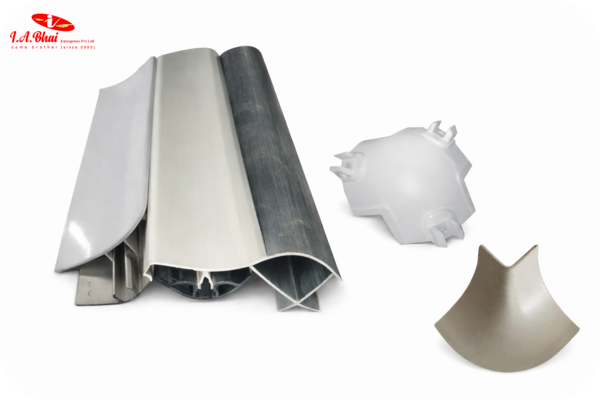
2D Profiles (Flat / Straight Sections) These are flat or slightly curved panels. Used for wall cladding joints, partitions, and straight transitions. Materials: PVC → lightweight, corrosion-resistant, easy to clean. Aluminum → stronger, more durable, often used where structural rigidity is needed. 3D Profiles (Extruded Sections) The complex cross-section pieces (seen in the middle). Designed for joining panels, creating sealed connections, and improving structural integrity. Often used in: Modular cleanroom panels Ceiling-to-wall joints Provide airtight sealing, which is critical in cleanrooms. Coving (Corners & Junctions) The curved corner pieces (bottom right and top right). Wall-to-floor Wall-to-wall Wall-to-ceiling intersections Eliminates sharp 90° corners Prevents dust and microbial buildup Makes cleaning and sanitization easier Why These Are Important in Cleanrooms Maintain hygienic, seamless surfaces Support GMP (Good Manufacturing Practice) compliance Resist chemicals and disinfectants Help control particle accumulation Pharmaceutical manufacturing Hospitals & operation theatres Food processing units Laboratories & electronics manufacturing

6814772a5d263414004dd4a4 Card 2

product image
Cold Room And Clean Room

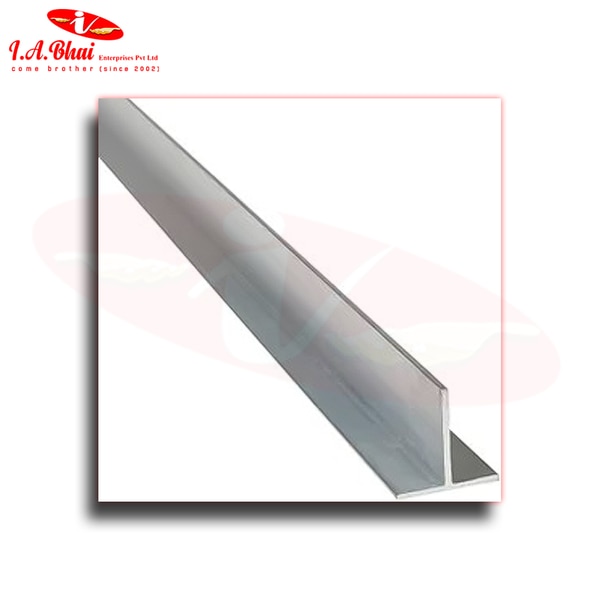
Aluminium T-profile, commonly referred to as Aluminium T-section or T-bar. This specific profile is often used in PUF panel installations and cold room constructions. Uses of Aluminium T-Profile in PUF Panels: 1. Joint Covering:Used to cover the joints between two PUF panels, especially in wall-to-wall or wall-to-ceiling connections. 2. Reinforcement:Provides structural strength and support along panel junctions or edges. 3. Aesthetic Finish:Offers a clean, neat, and professional finish by hiding visible panel gaps. 4. Moisture Barrier:Helps in sealing the joints to prevent moisture or air ingress. Material Advantages: Corrosion-resistant (Aluminium) Lightweight Durable Easy to install

6814772a5d263414004dd4a4 Card 2

product image
Deep Freezer, Refrigerator And FOW (Freezer On Wheel)

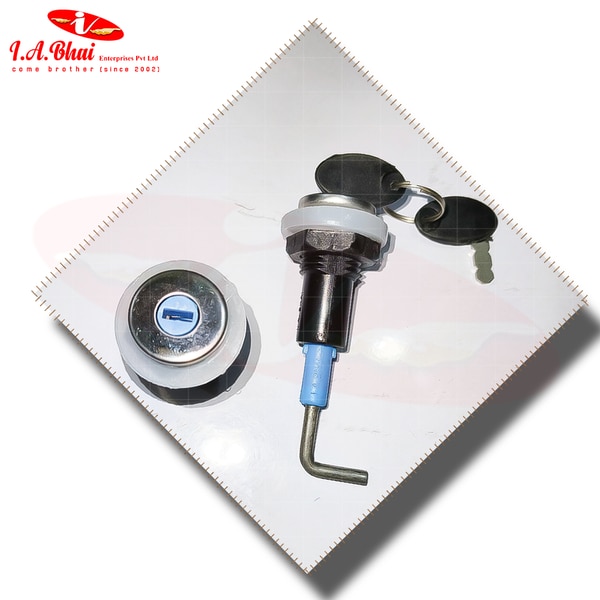
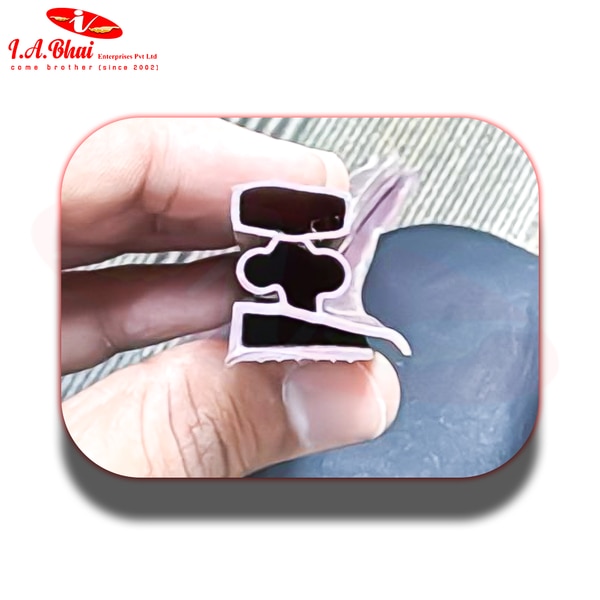
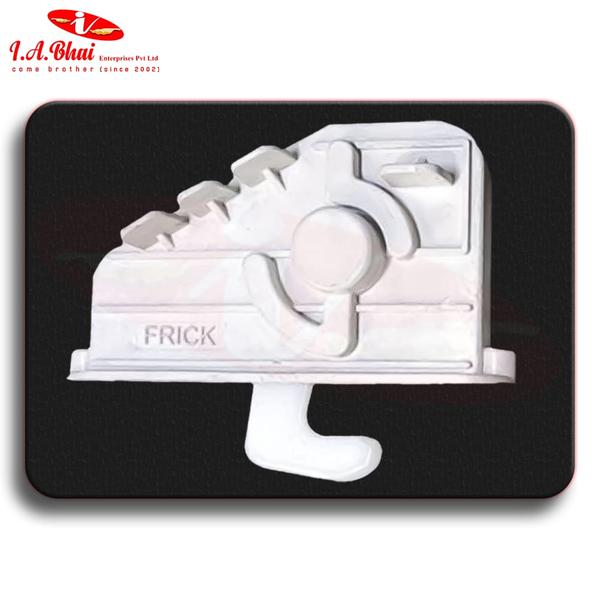
A self-locking door lock in a deep freezer is a mechanism designed to keep the freezer door securely closed, preventing accidental openings and ensuring efficient cooling. Types of Self-Locking Mechanisms in Deep Freezers: 1. Magnetic Seal Lock – Uses a strong magnetic gasket to keep the door closed. 2. Mechanical Latch Lock – A built-in latch that automatically locks when the door is shut. 3. Keyed Lock System – Provides additional security, especially in commercial freezers. 4. Push-to-Close Lock – Engages automatically when the door is pushed shut. Why Is It Important? Maintains consistent internal temperature. Prevents accidental openings that can cause food spoilage. Enhances safety, especially in commercial or shared-use freezers

6814772a5d263414004dd4a4 Card 2

product image
Cold Room And Clean Room

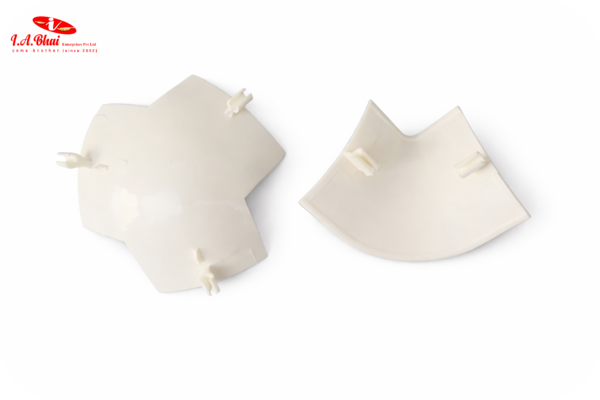
These are components commonly used in PUF (Polyurethane Foam) insulated panel systems, particularly for cold rooms, clean rooms, or modular enclosures. 2D Corner (Aluminium 2D Corner) Purpose: Used for joining two panels at a 90° corner (like wall-to-wall junctions). Material: Likely aluminum, offering strength, corrosion resistance, and a clean finish. Application: Internal or external vertical corner junctions. Often seen in cold room construction where walls meet. 3D Corner (Aluminium 3D Corner) Purpose: Used for 3-way corner joints, where three panels meet — such as wall-wall-ceiling or wall-wall-floor intersections. Material: Also typically aluminum for structural and hygienic benefits. Application: Used in room corners where all three planes meet. Ensures proper sealing and alignment in cold rooms or modular structures. Clean and professional finishing. Easy installation and alignment. Enhanced thermal insulation integrity (no thermal bridging). Prevents dust and moisture ingress at panel joints.

6814772a5d263414004dd4a4 Card 2

product image
Grain Silo And Storage Tank

PTFE Gasket for Flange PTFE (Polytetrafluoroethylene) flange gasket designed for reliable sealing between flanged joints. It is suitable for grain silos, storage tanks, pipelines, and industrial equipment where chemical resistance and leak-proof performance are required. Made from 100% PTFE Excellent chemical, corrosion, and moisture resistance Wide temperature tolerance Non-stick, non-aging material Prevents leakage of grains, powders, liquids, and gases Suitable for food-grade and industrial applications Grain silo flanges Storage tanks Chemical & water pipelines Food processing and industrial plants

6814772a5d263414004dd4a4 Card 2

product image
Water Cooler

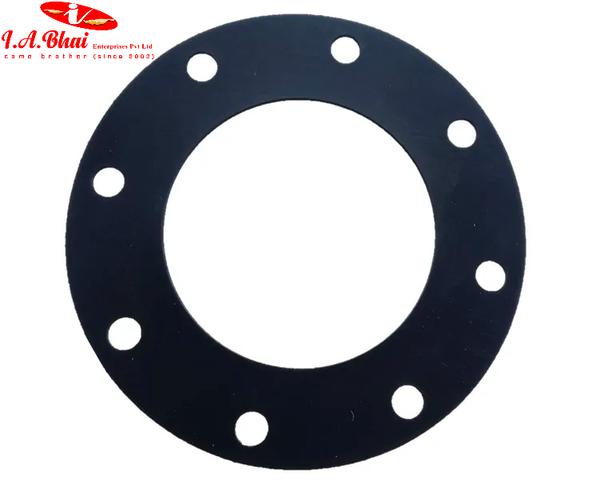
Gasket A gasket is a sealing component used in water coolers to prevent water leakage and ensure tight joints between parts. Made from rubber / EPDM / silicone Soft and flexible for proper sealing Available in round, square, or custom shapes Water Coolers Sealing drain connectors (PVC or brass) Sealing float valves & inlet fittings Used with taps, nipples, and joints Prevents leakage at tank outlets and pipes Leak-proof sealing Withstands water pressure Resistant to temperature variation Easy to install & replace Long service life Common Applications Water coolers Commercial refrigerators Deep freezers

6814772a5d263414004dd4a4 Card 2

product image
Cold Room And Clean Room

The Camlock PUF Panel with HIPS Super White material is commonly used in cold room and clean room applications. Here's a breakdown of its components and typical uses: 1. Camlock PUF Panel PUF stands for Polyurethane Foam, a high-insulation core material. Camlock refers to the interlocking mechanism that makes installation easy and ensures tight joints, improving thermal insulation and structural integrity. 2. HIPS Super White Material HIPS = High Impact Polystyrene Super White is a grade/color often used for hygienic and aesthetic purposes. It's used as a laminate or skin on the outer surface of the PUF panel. Uses of Camlock PUF Panel with HIPS Super White: Cold Rooms: For food storage, pharmaceuticals, etc. Clean Rooms: Used in industries like electronics, pharma, and labs where contamination control is critical. Modular Partitions: In controlled environments. Hospitals or Diagnostic Labs: Where hygiene is crucial. Why Use HIPS Super White? Smooth, glossy, and easy-to-clean surface. Resistant to moisture, chemicals, and impact. Provides a hygienic and aesthetically clean look. Non-toxic and safe for food-grade environments

Still searching for
thermally efficient joints?